 how-to
Slip and Fall Attorney: Your Guide to Recovery
Table of Contents
- What to Do After a Slip and Fall
- Slip and Fall Evidence You Need to Preserve
- Understanding Premises Liability in Texas
- Slip and Fall Case Value: What Your Claim May Be Worth
- Slip and Fall Lawyer Cost: How Legal Representation Works
- When to Contact a Slip and Fall Attorney
- Frequently Asked Questions
Last Updated: October 18, 2026
What to Do After a Slip and Fall
The first hours after a slip and fall accident are critical, and what you do immediately often determines whether you recover fair compensation.
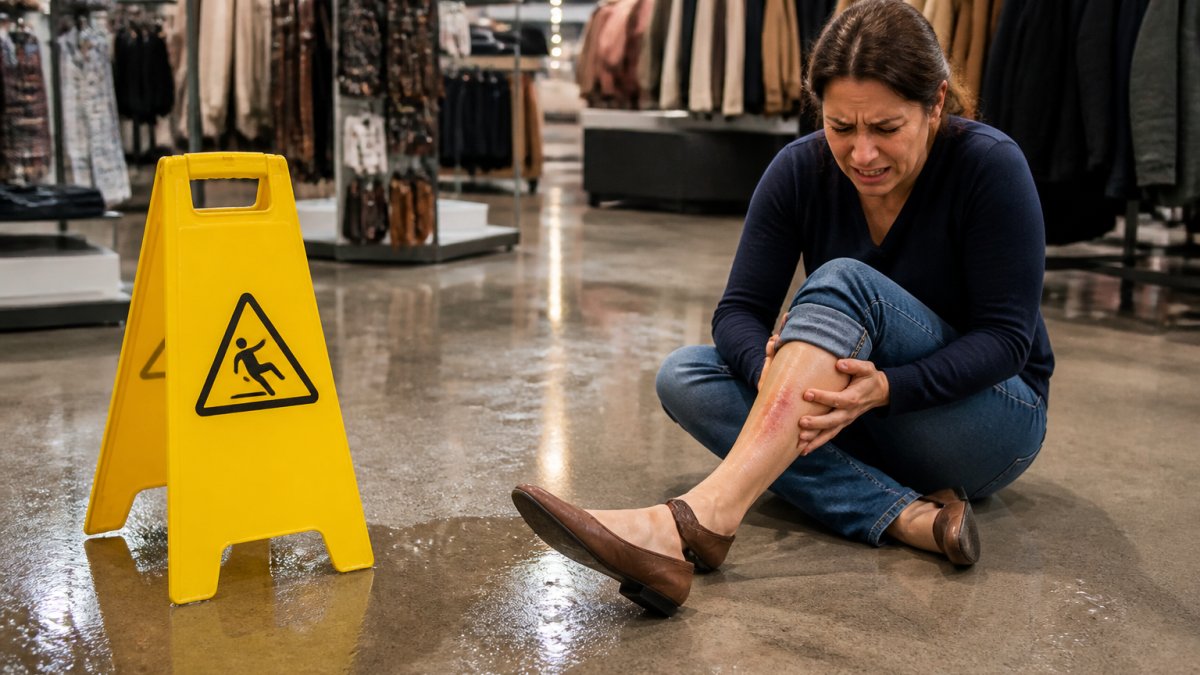
First Hours: Immediate Steps
Your first priority is safety and medical care. Do not leave the scene immediately, even if you feel fine, many injuries develop hours or days later.
Report the incident to the property owner, manager, or staff member on duty. Ask them to document the fall in an incident report. Request a copy for your records.
Photograph the hazardous condition, wet floor, broken stairs, loose carpet, or uneven surface, from multiple angles, including wider shots for context.
Collect names, phone numbers, and email addresses from witnesses who saw your fall. Their independent accounts strengthen your case considerably.
Seek medical attention promptly at an urgent care clinic, emergency room, or your primary care physician. Medical records create an official timeline connecting your fall directly to your injuries.
Days One Through Seven: Documentation and Follow-Up
During the first week, gather all medical records from your initial treatment, X-rays, test results, and doctor's notes, to establish the extent of your injuries.
Keep dated notes on pain levels, movement limitations, and how the injury affects daily activities. This documentation supports pain and suffering claims.
Notify your health insurance provider of the accident and ask about coverage for ongoing treatment.
Preserve the clothing and shoes you wore during the fall. Do not clean them.
If you have homeowner's or renter's insurance, notify them of the incident. Provide basic details but do not admit fault or speculate about causes.
Document any lost income from missed work. Gather pay stubs or employer statements showing how many hours you missed and the wages you lost.
Slip and Fall Evidence You Need to Preserve
Strong evidence transforms a slip and fall case from uncertain to compelling. Evidence preservation directly impacts your recovery.
Physical Evidence at the Scene
The hazardous condition itself is the most important evidence.
If the hazard has been corrected or removed, photographs become your only proof it existed. Do not delay taking pictures. Many property owners repair dangerous conditions quickly after an accident, hoping to eliminate evidence.
Document any warning signs, or their absence. If there was no wet floor sign or other notice, photograph that absence; if there was one, note its placement and visibility.
If a floor tile was broken or a stair tread was loose, photograph these items thoroughly. Do not remove them from the property without permission.
Ask the property manager or owner about maintenance records, when the floor was last cleaned, stairs inspected, or carpet secured. These records reveal whether the owner knew or should have known about the hazard.
Documentation and Records
Medical records form the foundation of your damages claim. Gather all documentation from emergency room visits, urgent care, physical therapy, and follow-up appointments.
Ensure every medical provider documents the incident that caused your injuries. If a provider's records lack this connection, contact them and request an amendment.
Incident reports filed at the property provide official documentation. These reports often include the property manager's description of what happened, environmental conditions, and any injuries reported.
Retail stores, apartment buildings, and commercial properties typically maintain security cameras.
Insurance information from the property owner or business is essential. Identify their liability insurance carrier and policy number. This insurance covers your damages claim.
Follow up with witnesses you identified at the scene and ask for written statements or recorded accounts of what they saw.
| Evidence Type | Collection Timing | Why It Matters |
|---|---|---|
| Photographs of hazard | Immediately (within hours) | Hazard may be removed or repaired |
| Medical records | Within first week | Establishes injury connection to fall |
| Incident report | Within 2-3 days | Official documentation of event |
| Surveillance footage | Within 7 days | Video evidence is highly persuasive |
| Witness statements | Within 1-2 weeks | Independent accounts strengthen your case |
| Maintenance records | During legal process | Proves property owner negligence |
Understanding Premises Liability in Texas
Texas premises liability law holds property owners responsible for maintaining safe conditions. Understanding these principles helps you recognize whether you have a viable case.
Duty of Care and Property Owner Responsibilities
Property owners in Texas have a legal duty to maintain their premises in a reasonably safe condition. The level of duty depends on your status when the fall occurred.
If you were an invited guest or customer, the property owner owes you the highest level of care.
Property owners must conduct reasonable inspections, identify hazards, and either repair them or warn visitors. Failure to inspect, or inspecting but ignoring hazards, constitutes negligence.
Maintenance records become crucial evidence here. If the property owner failed to inspect the premises regularly, or if inspections revealed hazards that were never corrected, this demonstrates negligence.
Weather-related hazards present a special case. If rain, ice, or snow created a hazardous condition, the owner must still act reasonably, removing snow and ice, salting walkways, or posting warnings.
Proving Negligence and Notice
Texas law distinguishes actual notice, the owner knew about the hazard, from constructive notice, meaning the hazard existed long enough that a reasonable inspection should have discovered it.
To prove actual notice, show that the property owner or their staff created the hazard, or that someone reported it to management before your fall.
For constructive notice, you must show the condition existed long enough that a reasonable inspection would have found it. A floor wet from a spill five minutes earlier may not qualify; one wet for hours does.
Courts consider how long the condition likely existed before your fall.
How Comparative Negligence Affects Your Recovery
Texas follows a modified comparative negligence rule. If you are found partially at fault for your fall, your recovery is reduced by your percentage of fault.
For example, if you were awarded $100,000 in damages but found 20% at fault, you would receive $80,000. If you are found 51% or more at fault, you recover nothing.
Property owners and their insurers will argue that you were careless. They may claim you were distracted, not watching where you were walking, or wearing inappropriate footwear.
A slip and fall lawyer counters these arguments by emphasizing the property owner's duty to maintain safe conditions.
Comparative negligence is why evidence matters. Photographs showing an unmarked, unwarned hazard strengthen your position. Witness statements confirming you were paying attention help too.
Slip and Fall Case Value: What Your Claim May Be Worth
The value of a slip and fall claim depends on multiple factors. Understanding these factors helps you evaluate settlement offers and know when to pursue litigation.
Factors That Influence Settlement and Award Amounts
The severity of your injuries is the primary driver of case value. Minor injuries like bruises or sprains result in lower settlements.
Your medical expenses form a baseline for damages. All reasonable costs of treating your injury, emergency care, surgery, physical therapy, medications, are recoverable.
Lost wages matter when your injury prevents you from working. Document all missed work and lost income.
Pain and suffering damages compensate you for physical pain and emotional distress. These are subjective and harder to quantify than medical bills.
Your age and overall health affect settlement value. Younger people with longer lives ahead may receive higher awards for permanent injuries.
The strength of liability evidence influences settlement negotiations. Clear evidence of property owner negligence increases your use.
Insurance policy limits cap potential recovery.
Slip and Fall Lawyer Cost: How Legal Representation Works
Many people hesitate to hire an attorney because they worry about legal costs. Understanding how slip and fall attorneys charge removes this barrier.
Contingency Fee Arrangements
Most slip and fall attorneys work on contingency. This means you pay no upfront fees. The attorney is paid only if you win your case or reach a settlement. The fee is typically a percentage of your recovery, usually between 25% and 40%.
Contingency arrangements align your interests with your attorney's. They have strong incentive to maximize your recovery because their fee depends on it. You do not risk money upfront while pursuing your claim.
Out-of-pocket costs like filing fees, expert witness fees, and investigation costs may be handled differently. Some attorneys advance these costs and recover them from your settlement. Others require you to pay them as they arise. Clarify this during your initial consultation.
What to Expect in Your Initial Consultation
A slip and fall attorney will ask detailed questions about your fall. When did it happen? Where? What caused it? What injuries resulted? Have you received medical treatment?
They will review any documentation you have gathered. Photos, medical records, incident reports, and witness information help them assess your case quickly.
The attorney will explain Texas premises liability law in plain language. They will tell you whether you have a viable claim and what challenges you might face.
They will outline the legal process and timeline. Most slip and fall cases settle without trial, but some proceed to litigation.
During your initial consultation, you can discuss your case with an attorney at no cost. You can ask questions, understand your options, and decide whether to proceed.
When to Contact a Slip and Fall Attorney
Do not delay seeking legal representation after a slip and fall accident. Time works against you in several ways.
Evidence deteriorates quickly. Surveillance footage is often overwritten after 30 days. Witnesses forget details. Hazardous conditions are repaired.
Insurance companies will contact you. They may offer quick settlements before you understand your injuries' full extent. An attorney protects you from accepting inadequate offers.
Texas has a statute of limitations for personal injury claims. You generally have two years from the date of your fall to file a lawsuit.
Medical treatment may continue for weeks or months. An attorney can help coordinate care and ensure all treatment is documented properly.
A slip and fall can disrupt your life physically, emotionally, and financially. You deserve fair compensation for your injuries and losses. The Virtual Law Group understands the challenges accident victims face.
Frequently Asked Questions
What should I do immediately after a slip and fall?
First, seek medical attention if you're injured. Report the incident to the property owner or manager and ask them to document it in writing. Take photographs of the hazardous condition, the scene, and your injuries. Get contact information from any witnesses. Keep all medical records and receipts related to your injury. Avoid giving recorded statements to insurance adjusters without legal counsel. Contact a slip and fall attorney as soon as possible to protect your rights and ensure proper evidence preservation.
What evidence should I collect after a slip and fall?
Collect photographs of the hazardous condition, wet floors, uneven flooring, loose carpet, broken stairs, or poor lighting that caused your fall. Preserve surveillance footage by requesting it from the property owner immediately. Obtain written statements from witnesses with their names and contact information. Keep all medical records, treatment bills, and documentation of lost wages. Save receipts for transportation and any expenses related to your injury. Request the incident report from the property owner or manager. Document the date, time, and exact location of your fall, and note weather conditions if applicable.
How much does a slip and fall lawyer cost?
Most slip and fall attorneys work on a contingency fee basis, meaning you pay no upfront costs. The attorney's fee comes from your settlement or award, typically ranging from 25-40% depending on the complexity and stage of your case. This arrangement means your lawyer only gets paid if you recover compensation. During your initial consultation, a slip and fall attorney can explain the specific fee structure for your situation and answer questions about how costs are handled.
What factors affect the value of a slip and fall case in Texas?
Case value depends on medical expenses, lost wages, and pain and suffering damages. Severity of injury, permanence of disability, and loss of earning capacity significantly impact compensation. The strength of evidence proving the property owner's negligence and actual or constructive notice of the hazardous condition affects settlement amounts. Comparative negligence rules in Texas mean your recovery may be reduced if you're found partially responsible. Insurance policy limits and the defendant's ability to pay also influence what you can recover. An attorney can evaluate these factors and provide a realistic assessment of your claim's potential value.