 How-to
What Should You Do After a Car Accident in Houston?
Last Updated: November 19, 2026
Quick Summary
After a car accident Houston drivers should first check for injuries, move vehicles out of traffic if possible, turn on hazard lights, and call 911 if anyone is hurt or a lane is blocked. Then exchange driver and insurance information, photograph all damage and the scene, and get a police report number. Seek medical attention the same day, even if you feel fine.
- Texas law generally requires reporting a crash to police when it causes injury, death, or significant property damage.
- Get the other driver's license, insurance card, plate number, and policy number, and photograph the insurance card.
- Adrenaline masks pain, and soft-tissue injuries often surface hours or days after the crash.
- Do not admit fault or apologize; stick to facts when speaking with police and insurers.
- Signing a release ends your case permanently, so have the offer reviewed before you sign anything.
Table of Contents
- Step 1: Secure the Scene and Call 911
- Step 2: Exchange Information and Document the Crash Scene
- Step 3: Seek Medical Attention and Watch for Delayed Symptoms
- What to Do After a Car Accident Not Your Fault
- What to Do After a Minor Car Accident
- How to Get a Police Report After a Car Accident in Houston
- How Long After a Car Accident Can I Claim Injury?
- Talk to a Houston Car Accident Lawyer Before You Sign Anything
- Frequently Asked Questions
Step 1: Secure the Scene and Call 911
The first thing to do after a car accident Houston drivers face is check for injuries and get everyone to safety. Move your vehicle out of travel lanes if it can be driven. Turn on your hazard lights. Call 911 if anyone is hurt, if a lane is blocked, or if the other driver seems impaired.
If the cars cannot move, stay inside with your seatbelt on and wait for help. Walking around live traffic on a freeway is how minor crashes turn into serious injuries.
When Police Must Be Called in Houston
Texas law generally requires you to report a crash to police when it causes injury, death, or significant property damage. Check the current statutory requirements with the Texas Department of Transportation or the responding agency. When in doubt, call. A responding officer creates a crash report, and that report becomes the backbone of your insurance claim. Without it, you are arguing from memory against the other driver's version of events.
Step 2: Exchange Information and Document the Crash Scene
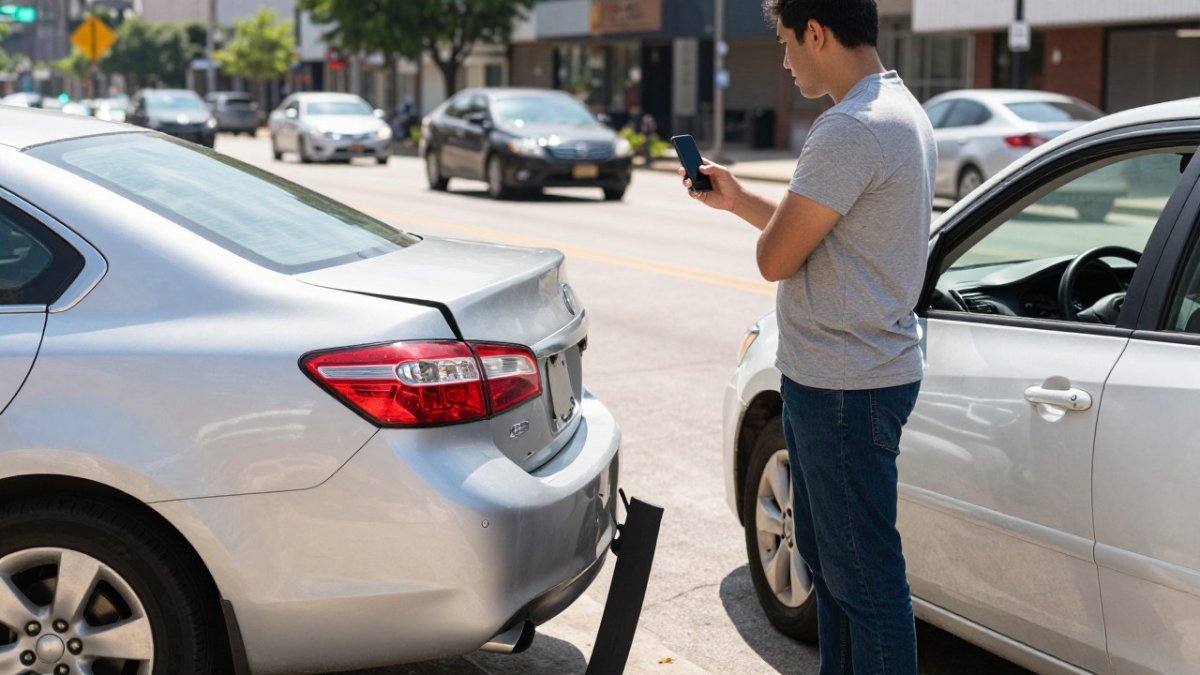
Once the scene is safe, exchange driver information and start documenting everything. Get the other driver's name, phone number, address, driver's license number, license plate, vehicle registration, and insurance company with policy number. Ask to see the physical insurance card and photograph it.
Then document the scene itself:
- Photos of all vehicle damage from several angles
- Wide shots showing the position of both cars
- Skid marks, debris, and road conditions
- Traffic signals and street signs nearby
- Names and phone numbers of any witnesses
Essential Documents and Details to Collect
- Other driver's license, insurance card, and plate number
- Witness names and phone numbers
- Responding officer's name and badge number
- Crash report number
- Photos of every vehicle and the surrounding road
- Your own insurance information, ready to share
A common mistake is leaving the scene without the police report number. It is the single hardest item to recover later.
Step 3: Seek Medical Attention and Watch for Delayed Symptoms
Get examined the same day, even if you feel fine. Adrenaline masks pain, and soft-tissue injuries often surface hours or days later. Tell the doctor you were in a crash so the record ties your symptoms to the event.
Watch for headaches, neck stiffness, back pain, numbness, dizziness, or trouble concentrating. These can signal injuries that worsen without treatment. If you are unsure where to go, our guide on how to get medical care after a car accident walks through your options. Worried about cost? Read how medical bills are paid after an accident before you delay care.
What to Do After a Car Accident Not Your Fault
Being hit by someone else does not remove your duty to document. Texas is generally considered an at-fault state, so the at-fault driver's insurer is typically responsible for the claim, but that insurer may still dispute fault.
Do not admit fault, even casually. Do not apologize. Stick to facts when speaking with police and insurers. Report the crash to your own insurer promptly, since your policy may require notice regardless of fault.
If the other driver is uninsured, underinsured, or leaves the scene, call police and note everything you can about the vehicle. Your own uninsured motorist coverage may apply. If a rideshare vehicle was involved, the steps differ, so review this guide on what to do after a Houston rideshare accident.
What to Do After a Minor Car Accident
Even a minor car accident Houston drivers walk away from still deserves a police report and photos. Minor damage claims are exactly where fault disputes flare up, because there is little physical evidence to settle them.
- Pull to a safe spot and check for injuries
- Exchange information and photograph both vehicles
- File a report if there is any disagreement about fault
- Notify your insurer even if you do not plan to claim
What most guides miss is this: a "minor" crash can cause injuries that show up two days later. Skipping documentation now costs you the ability to claim then.
How to Get a Police Report After a Car Accident in Houston
Crash reports are held by the agency that responded, not by a single central office. The first step is to identify which agency worked the scene. The responding officer's name, badge number, and agency appear on any card or case slip you were given, and the crash report number is the fastest retrieval key. If you did not get that information at the scene, check your photos of the scene for marked units and look at the top of any citation or exchange form.
Common responding agencies include:
- The Houston Police Department, for crashes on city streets
- The Harris County Sheriff's Office, for unincorporated areas
- The Texas Department of Public Safety, for state highways and some freeway crashes
- The Texas Department of Transportation, for certain highway incidents
- Smaller municipal departments, for crashes inside suburban city limits
How to Request the Report
Each agency has its own records process, and many accept requests through their records divisions. Check the responding agency's website for its current procedure. Expect to provide the crash report number, the date and location of the crash, the names of the drivers involved, and your identification. Agencies may charge a fee for a copy, and the amount varies, so confirm the current fee when you submit the request.
Reports are often not available the same day, and the wait depends on the agency and the case. Follow up on a set schedule, for example, once a week, and keep a copy of every request and receipt.
When the Report Is Delayed or Missing Details
Delays happen, especially after a busy holiday weekend or a major storm. If the report is not ready, ask the records clerk for the expected completion date and whether a supplemental report is pending. If the report exists but omits a witness, misstates the location, or leaves out a vehicle, you can request a correction or supplement through the responding agency. Do not alter the report yourself; ask the agency to amend it.
Watch out for delays in requesting the report. Records may be archived on retention schedules, and insurers and attorneys generally need the report early to evaluate a claim. Request it as soon as the agency will accept the request.
If the Other Driver Was Uninsured, Underinsured, or Left the Scene
A hit-and-run or uninsured-driver crash makes the report even more important. Call police immediately, note the other vehicle's make, model, color, and plate if you can, and ask witnesses for statements. Your own uninsured motorist coverage may apply, and the insurer will want the police report to confirm the other driver could not be identified or had no coverage. If the other driver is identified but has no insurance, the report documents that fact and supports an uninsured motorist claim under your own policy.
How Long After a Car Accident Can I Claim Injury?
Texas generally sets a limitations period for personal injury lawsuits, and missing that deadline can bar a claim. Confirm the current deadline and any exceptions with the official Texas statutes or a qualified attorney, and treat the earliest possible date as your working deadline.
Insurance claims are separate from lawsuits and have their own practical timelines. Waiting months to notify an insurer gives them grounds to dispute the claim. If you want a sense of what a case may be worth, see how much a car accident settlement in Texas can involve.
Talk to a Houston Car Accident Lawyer Before You Sign Anything
An insurance adjuster's first offer is rarely the final value of your claim. Signing a release ends your case permanently.
Before you sign, have someone review the offer against your medical records, lost wages, and future treatment needs. If you are deciding on counsel, this guide on finding a Houston accident injury lawyer you can trust covers what to ask.
At The Virtual Law Group, we aim to provide comprehensive support throughout your case, including help with access to medical care and rental vehicles while your case moves forward. Our team is available to answer calls on weekends, nights, and holidays. Reach out for a case review before you accept any settlement.
A crash in Houston traffic can leave you juggling medical appointments, repair shops, and insurance calls at once. You do not have to sort through it alone. The Virtual Law Group offers a service-oriented approach that manages every part of your case, helps you access medical care and a rental vehicle, and stands by you from start to finish. Get started with The Virtual Law Group and get a clear read on your claim before you sign anything.
Frequently Asked Questions
How long do I have to file a police report after an accident in Texas?
Texas law requires drivers to report a crash to law enforcement immediately when it involves injury, death, or significant property damage. For crashes where no officer responds, check with the Texas Department of Transportation about how to submit a crash report. Do it as soon as possible, since delays can complicate your insurance claim and make it harder to prove what happened. If you are unsure whether your crash required a report, call the Houston Police Department or ask a lawyer.
What should I avoid telling an insurance company after a car accident in Houston?
Do not admit fault, guess at speeds, or say you are uninjured. Avoid giving a recorded statement to the other driver's insurer before speaking with your own attorney. Stick to facts: what you observed, where the vehicles were, and what damage you saw. Phrases like "I'm fine" or "it was my fault" can be used to reduce or deny your claim later. Notify your own insurer promptly, but keep the conversation factual and ask them to confirm coverage details in writing.
Do I need to report an accident to my insurance if I was not at fault?
Yes. Your policy may require you to report an accident promptly, regardless of fault. Review your policy's notice requirements and contact your insurer as soon as reasonably possible after a crash.
How long after a car accident can I claim injury in Texas?
Texas sets statutory deadlines for filing personal injury lawsuits, and these can vary depending on the circumstances, including claims against government entities. Confirm the applicable deadline with the official Texas statutes or a qualified attorney. Insurance negotiations can take time, so contact a Houston car accident lawyer early to preserve evidence and protect your claim before the deadline passes.