 How-to
What to Do After a Houston Rideshare Accident
Last Updated: November 15, 2026
Quick Summary
After a Houston rideshare accident, move to safety, call 911, and treat it like any other car crash even though the driver is not a friend or a taxi. Screenshot the trip details, app status, and driver information before the app closes the record, then report the crash inside the app and file a police report.
- Do not leave the accident scene before police arrive, and get a medical evaluation even if you feel fine.
- Passengers should screenshot the active trip screen, driver name and photo, vehicle plate, and trip receipt.
- Rideshare coverage can depend on app status: app off, app on with no trip, or active trip.
- Report the crash inside the app before the trip record is archived, then file the police report.
- Do not sign a release before treatment ends, because it closes the claim permanently.
Table of Contents
- First Steps at the Scene of a Rideshare Accident
- I Was a Passenger in an Uber Accident: Your Rights and Next Moves
- How Uber Car Accident Claims Work in Texas
- Filing an Uber Crash Report and Reporting to the Platform
- Uber Passenger Accident Settlement Amounts: What to Expect
- The First Hour, First Day, and Following Weeks After a Crash
- Talk to a Houston Rideshare Accident Lawyer Before You Settle
- Frequently Asked Questions
First Steps at the Scene of a Rideshare Accident
Knowing what to do after a Houston rideshare accident starts with one rule: treat it like any other car crash, even though the driver is not a friend or a taxi. Your driver's app status, the trip details, and the other driver's insurance card all become evidence. This guide walks you through the scene, the report, the claim, and the weeks that follow.
Move to Safety and Call 911
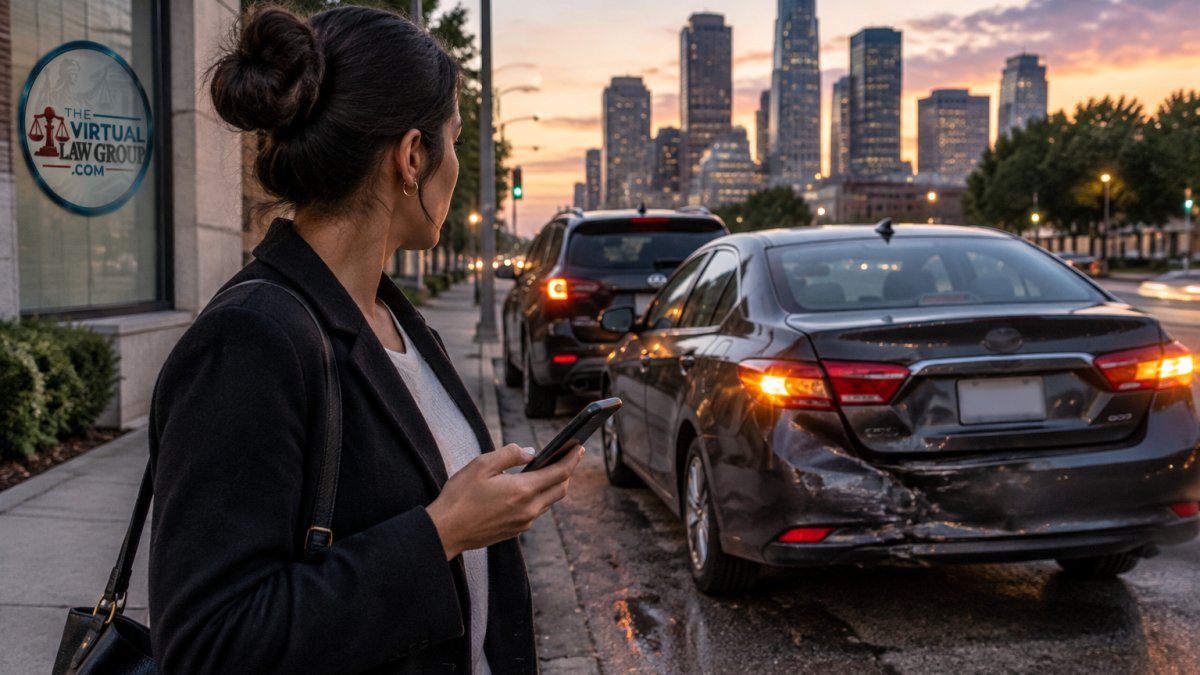
Get out of traffic first. Move to a sidewalk, a parking lot, or any spot away from moving cars. Then call 911 and ask for police and paramedics.
- Tell the dispatcher someone is hurt, even if the pain seems mild at first
- Stay on the line and follow instructions
- Do not leave the accident scene before police arrive
Delayed symptoms are common after a crash. Adrenaline can mask injuries for hours. Get a medical evaluation even if you feel fine.
What to Do Depends on Where You Were Sitting
The steps that matter most shift with your role in the crash. Work through the list that fits you.
If you were a passenger:
- Stay in or near the vehicle until police arrive if it is safe to do so, then move to a sidewalk
- Screenshot the active trip screen, the driver's name and photo, the vehicle make and plate, and the trip receipt before the app closes the record
- Ask the driver for the platform's insurance information, but do not argue if they refuse; the platform can supply it later
- Do not request another ride from the same app until you have saved the trip details
If you were the rideshare driver:
- Turn on hazard lights and set out reflective triangles if you carry them
- Do not switch the app to offline or accept a new request until you have screenshotted the trip status
- Report the crash through the driver-side safety menu, not the passenger menu, so the report attaches to the correct account
- Notify your personal auto insurer as well as the platform, because coverage may depend on which app-status period you were in
If you were in the other vehicle:
- Get the rideshare driver's name, plate, and platform name, and note whether the app was active
- Ask the rideshare driver for both their personal insurance card and any platform insurance information
- Report the crash to your own insurer promptly; your policy may cover the gap while liability is sorted out
Document the Scene and Preserve Digital Evidence
Photograph everything before vehicles move. Get wide shots of the accident scene, close-ups of vehicle damage, and a clear picture of every license plate. Include the position of the vehicles relative to lane markings, traffic signals, and any stop signs.
Then collect:
- The rideshare driver's name, phone number, and insurance card
- The other driver's license, registration, and insurance information
- Names and phone numbers for witnesses
- Screenshots of your app status, active trip, and trip details
Digital evidence is easy to lose and easy to spoil. Edited screenshots can raise questions about authenticity. Save originals, do not crop or annotate them, and back them up to a second location such as cloud storage or emailing them to yourself.
If you are injured, our guide on how to get medical care after a car accident explains your options for treatment and who typically pays.
Watch out: leaving the scene before police arrive, or letting the rideshare driver talk you out of calling 911, can complicate both the police report and the insurance claim.
I Was a Passenger in an Uber Accident: Your Rights and Next Moves
Passengers usually have the strongest position after a crash. In most cases you did not cause the collision, so your claim focuses on whose insurance pays.
Depending on the facts, an injured passenger may be able to pursue the at-fault driver, the rideshare driver, or the platform. A lawyer can review which parties may be responsible.
Start with these moves:
- Report the crash inside the app before the trip record closes
- Save every screenshot of the ride request and trip details
- Keep receipts for rides home, prescriptions, and any rental car
- Write down what you remember the same day
Medical bills confuse most passengers. Our breakdown of how medical bills get paid after an accident covers who is billed first and how reimbursement works.
How Uber Car Accident Claims Work in Texas
Texas rideshare insurance runs in periods, and the period decides who pays. This is the detail most guides skip, and it changes everything about an Uber car accident claim.
Rideshare insurance coverage can depend on the app status at the time of a crash, such as whether the app is off, waiting for a request, or on an active trip. Coverage terms and limits vary, so confirm the exact details with the platform and the driver's insurer. The Texas Department of Insurance publishes consumer guidance on auto and rideshare coverage.
| App Status | Who Usually Pays | What to Do |
|---|---|---|
| App off | Driver's personal policy | Get the driver's insurance card |
| App on, no trip | Limited platform coverage plus personal policy | Screenshot the waiting screen |
| Active trip | Platform liability coverage | Screenshot trip details immediately |
| Trip ended, injuries appear | Your own policy or the at-fault driver | See a doctor and keep records |
Filing an Uber Crash Report and Reporting to the Platform
An Uber crash report starts inside the app, not with a phone call. Open the trip, find the safety or help menu, and report the accident. Do this before you close the app or request another ride.
Then file the police report. In Houston, officers at the scene will give you a report number. Ask for it, photograph it, and request a copy later.
Keep a simple claim documentation folder:
- Police report number and officer name
- Screenshots of app status, trip details, and ride request
- Photos of all vehicles, plates, and the scene
- Driver and witness contact information
- Medical records and bills
- Receipts for lost wages and out-of-pocket costs
Watch out: reporting days later, after the trip record is archived, makes the platform slower to respond and harder to pin down.
Uber Passenger Accident Settlement Amounts: What to Expect
There is no standard payout for an Uber passenger accident. Settlement amounts depend on the specific facts of each claim, including injuries, medical bills, lost wages, and how clear fault is.
How a Passenger Claim Is Valued
A passenger claim is usually built from four buckets of damages:
- Medical expenses, including emergency care, follow-up visits, imaging, physical therapy, and prescriptions. Keep every bill and explanation of benefits.
- Lost wages, documented with pay stubs, employer letters, or tax records if you are self-employed.
- Pain and suffering, which is assessed based on the severity of the injury and how long treatment lasts.
- Out-of-pocket costs, such as rides to appointments, rental car fees, and home care.
Insurers look at three things: the severity of the injury, the documentation, and whether liability is disputed. Prompt treatment and organized evidence generally support a claim, while a gap in treatment or a long delay before seeing a doctor can weaken it.
How the Claim Actually Moves
The platform's insurer and the at-fault driver's insurer may both be involved. A common sequence is:
- You report the crash in the app and receive a claim number from the platform's insurer.
- An adjuster requests medical records, bills, and a recorded statement.
- The adjuster may make an initial offer.
- You counter with a demand package that ties each dollar to a document.
- The claim settles, or it proceeds to litigation if liability or damages remain disputed.
The insurance adjuster works for the insurer, not for you. Their first offer is a starting point, not a fair figure. Do not give a recorded statement before you have reviewed your medical records and understand which coverage period applied to your trip. Our guide on how to negotiate an insurance settlement walks through counteroffers and what to put in writing.
Watch out: signing a release before treatment ends closes the claim permanently, even if new injuries appear later.
The First Hour, First Day, and Following Weeks After a Crash
A timeline keeps the process manageable when you are hurt and out of work.
First hour: move to safety, call 911, photograph the scene, exchange information, screenshot the app.
First day: report the crash in the app, file the police report, see a doctor, and write down your account while it is fresh.
First week: open the insurance claim, save all bills, and follow up on the police report.
Following weeks: continue treatment, track lost wages, and avoid recorded statements to the adjuster until you understand your rights.
A personal injury settlement usually takes months, not days. Our personal injury settlement timeline explains the stages so you can plan financially.
Talk to a Houston Rideshare Accident Lawyer Before You Settle
A common mistake is signing a settlement before treatment ends. Once you sign a release, you cannot reopen the claim, even if new injuries appear.
A lawyer can gather the app records, line up the coverage periods, and deal with the adjuster for you. At The Virtual Law Group, we handle personal injury cases from start to finish, provide assistance with access to rental cars and medical care, and answer calls on weekends, nights, and holidays. Learn how a virtual legal consultation works before you book one.
If you were hurt in a rideshare crash, the weeks after decide the outcome of your claim. The Virtual Law Group stands by clients from the first call through settlement, with help arranging medical care and a rental car while we handle the insurance company. Get started with The Virtual Law Group and protect your right to fair compensation.
Frequently Asked Questions
What happens if you get into an accident in a rideshare?
Coverage can depend on the app status at the time of the crash. As a passenger, you generally are not at fault, so your claim may go through the rideshare company's insurer or the other driver's policy. Save your trip receipt and report the crash in the app. A Houston rideshare accident lawyer can review which policy responds.
How do I report an Uber or Lyft crash?
Open the app's Help section, choose the trip in question, and select the accident or safety incident option. Describe what happened, upload photos and screenshots, and keep the confirmation. Then call the police non-emergency line if officers did not respond to the scene, and request a copy of the crash report. Reporting to the platform early preserves evidence and starts the insurance process.
How much compensation can you get from an Uber accident?
There is no set figure. Uber passenger accident settlement amounts depend on medical bills, lost wages, pain and suffering, and the coverage limits that apply. Coverage limits can vary, so confirm the details with the platform and the driver's insurer. Keep every bill and pay stub. An attorney can estimate your claim after reviewing the police report and medical records.
What should I do if I was a passenger in an Uber accident?
Stay in the vehicle until it is safe, then move away from traffic and call 911 if anyone is hurt. Take photos of the vehicles, the scene, and your injuries. Save the trip details and screenshot the app status. Get checked by a doctor even if you feel fine, because delayed symptoms are common. Then report the crash in the app and speak with a lawyer before accepting any settlement offer.